


Personale docente:
Emanuela Pierantozzi, Associate Professor
Luca Puce, Fixed-time Researcher
Research topics:
The main lines of research in the field focus on a wide range of topics related to the analysis and understanding of sports performance, didactic methodologies, training and evaluation of the athlete, both pre- competitive and competitive, with particular attention to:
- Sports performance models: study of the parameters that determine athletic performance.
- Physiological adaptations to training and competition: analysis of the body's responses to training stimuli.
- Specific needs of different age groups and types of athletes, including athletes with disabilities.
Research focuses on:
Factors affecting sports performance, including:
- Technique and tactics
- Psychological aspects
- Training environment and competition
- Body weight managementDifferences in performance among athletes based on:
- Age
- Experience level
- Physical condition, including disabilitiesImproving teaching, training and evaluation methodologies, through:
- Innovative didactics for technical-tactical teaching
- Advanced technologies such as computer simulation, biomechanical analysis and functional magnetic resonance imaging
- Injury prevention strategies
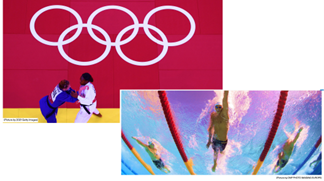
“Combat Sports” research lines:
Didactics in martial arts: teaching methods to optimize technical and tactical learning.
Adaptations induced by motor and sport activity protocols, with a focus on intellectual and relational disabilities (particularly in autistic individuals)
Body weight management and performance in combat sports, analyzing
Lines of Research “Paralympic Swimming”:
this group is conducting an ambitious research project aimed at improving the classification system of Paralympic athletes, with the goal of:
Ensure a more fair and scientifically based classification, considering the athletes' actual abilities and not just the type of disability.
Analyze the physical and psychological responses to exercise, for each specific disability, in order to:
- Better understand the physiological adaptations induced by training
- Develop more effective athletic training methodologies
- Tailor training programs to the specific needs of athletes, helping them to reach their maximum potential
Third Mission Activities:
Organizing and participating, free of charge, in at least two to three conferences, workshops or meetings per year, either in-person or online. The events are aimed at citizens, exercise and sports science teachers in schools, and sports coaches, and cover current topics such as: long-term sports career management; the elite athlete's end-of-career transition; injury prevention in athletes; burnout prevention in sports; benefits of adapted sports activity for frail groups (such as the elderly, people with disabilities, and patients with specific conditions)